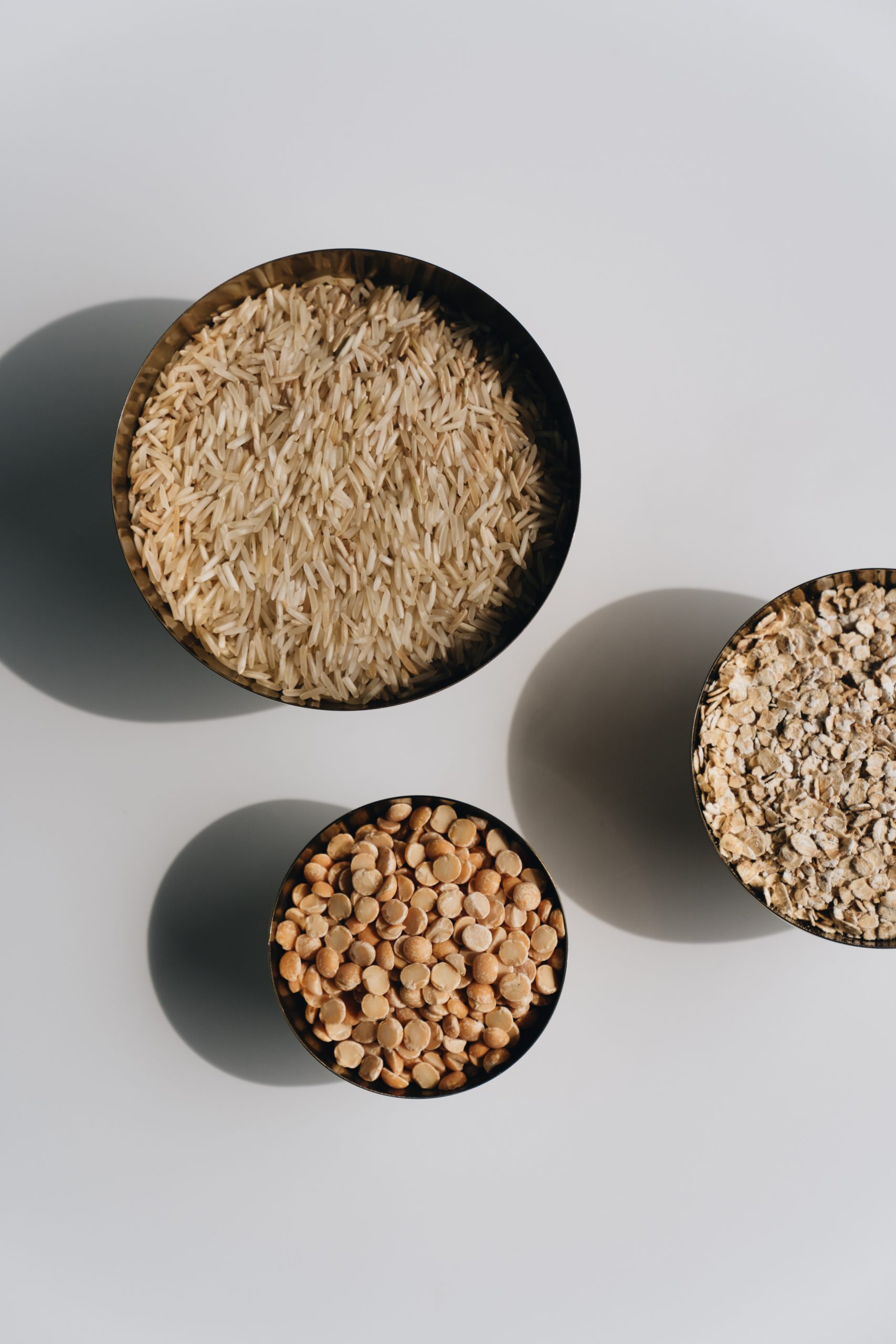
All carbohydrate-containing foods are not created equal, and including whole grains is one excellent way to ensure that your body is getting what it needs for a healthy brain, metabolism and sustained energy through the day. Not to mention, being more intentional with fiber-rich grains through the day helps to cut cravings for those carbohydrates that tend to be higher in sugar and refined flour.
When I talk to my patients about eating more whole grains, I encourage them to think outside the box and incorporate variety! It can be both fun and beneficial to think beyond rice when planning meals.
Some whole grains to consider:
- Quinoa stands out among whole grains, because it contains all the amino acids that make it a complete protein source.
- Whole oats offer a range of benefits, including a reduction in inflammation as well as soluble fiber which carries cholesterol out of the blood and helps to reduce glucose absorption in the intestine.
- Barley is beneficial in that it provides phytochemicals which are known to reduce inflammation
When it comes to gut health, the fiber found in whole grains is one of the biggest benefits. The closer a grain is to the way it grows (for example wild or brown rice, versus white rice), the more fiber it will have. Fiber-filled whole grains typically include both soluble and insoluble fiber. Soluble fiber helps to carry cholesterol out of the blood, while insoluble fiber benefits better digestion. These grains also act as prebiotics – or food for healthy gut bacteria. The more variety of these grains and other plant foods we eat, the better nourished our gut bacteria will be, leading to benefits literally from head to toe in our bodies.
Whole grains can be eaten in many ways, including tossed into salads and soups or mixed with fruit for a sweeter tasting breakfast.